Studying in Canada continues to be one of the smartest decisions for international students in 2026. With world-class universities, flexible immigration pathways, and globally recognized qualifications, Canada has positioned itself as a top destination for higher education.
However, while Canada is more affordable than countries like the United States or the United Kingdom, the cost of studying abroad is still significant. This is where international student grants, scholarships, and government funding programs come in.
In this comprehensive scholarships guide, you’ll learn everything you need to know about Study-In-Canada International Student Grants 2026, including eligibility, application process, funding types, and how to increase your chances of securing financial support.
Why Study in Canada in 2026
Canada remains one of the most attractive destinations for international students—and not by accident.
The country combines:
- High-quality education
- Affordable tuition compared to other top destinations
- Work opportunities during and after studies
- Immigration pathways for permanent residency
Top institutions like University of Toronto, McGill University, and the University of British Columbia consistently rank among the best globally.
But beyond rankings, Canada’s biggest advantage is financial support options—especially grants and bursaries that do not require repayment.
Cost of Studying in Canada (2026 Estimates)
Before diving into grants, it’s important to understand the actual cost of studying in Canada.
Average Annual Costs:
| Expense Category | Estimated Cost (CAD) |
|---|---|
| Tuition Fees | $15,000 – $35,000 |
| Accommodation | $8,000 – $15,000 |
| Living Expenses | $7,000 – $12,000 |
| Health Insurance | $600 – $1,000 |
| Total Estimated Cost | $25,000 – $60,000 |
This means international students should plan for CAD $25,000–$60,000 per year.
Grants and loans from the Government of Canada can significantly reduce this burden.
What Are Student Grants in Canada?
Student grants are financial aid that you do not need to repay. They are typically awarded based on:
- Financial need
- Academic performance
- Special circumstances (e.g., disability, dependents)
Grants differ from:
- Loans → Must be repaid
- Scholarships → Usually merit-based
- Bursaries → Need-based financial aid
The key advantage? Grants = Free money for your education.
Types of Financial Aid Available in Canada
Canada offers multiple forms of financial support for students:
1. Scholarships
- Based on academic excellence
- Offered by universities and organizations
2. Grants
- Based on financial need
- Provided by the government and institutions
3. Bursaries
- Need-based assistance
- Often offered by universities
4. Student Loans
- Provided under the Canada Student Loans Program
- Must be repaid after graduation
Canada Student Grant for Full-Time Students
The Canada Student Grant for Full-Time Students is one of the most popular funding options available.
Eligibility Criteria:
To qualify, you must:
- Apply for student loans (this automatically assesses grant eligibility)
- Demonstrate at least $1 of assessed financial need
- Be enrolled in a full-time program (degree, diploma, or certificate)
- Study at a designated institution
- Declare your family size (if applicable)
This grant is administered through provincial or territorial student aid offices.
Key Requirement: Financial Need
Most grants in Canada are need-based, meaning:
- Your income level matters
- Your family income is assessed
- Your financial background determines eligibility
The lower your income relative to the threshold, the higher your chances of receiving funding.
Are International Students Eligible?
Here’s where things get interesting.
Many government grants are primarily for Canadian citizens or permanent residents, but international students still have options:
- University-specific grants
- Institutional scholarships
- Private funding programs
- Some provincial-level aid (limited cases)
So while access may be more restricted, funding is still available if you know where to look.
Grants Available for International Students
1. University of Canada West Grants
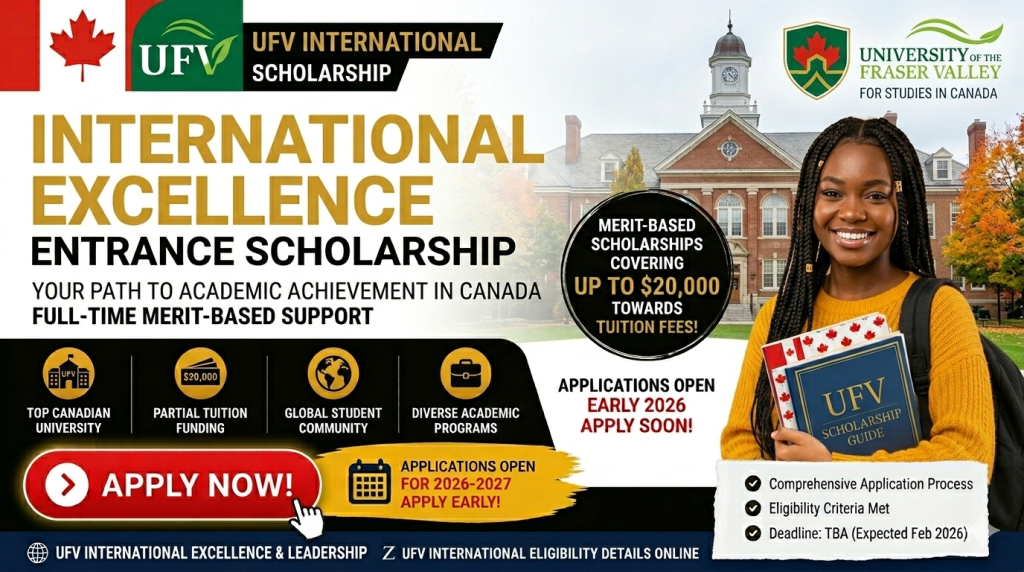
University of Canada West offers various entrance awards and grants for international students.
Key Features:
- Available for undergraduate and graduate programs
- Only one award per student allowed
- Applied directly to tuition fees
- Distributed across study duration
Important Notes:
- Limited number of grants per term
- Must submit all required documents
- Awards are prorated based on course load
2. Alberta Student Aid
Alberta Student Aid provides grants and loans for eligible students studying in Alberta.
While primarily for residents, some programs may benefit international students through institutional partnerships.
3. Canada Student Loans Program
The Canada Student Loans Program offers both loans and grants.
Key Benefits:
- Single application for loans and grants
- Multiple grant eligibility assessment
- No repayment required for grants
Canadian Government Grants Explained
The Government of Canada provides structured financial support through:
- Full-time student grants
- Part-time student grants
- Grants for students with dependents
- Disability support grants
Application Process:
- Apply through your province or territory
- Submit financial information
- Get assessed automatically for all grants
General Eligibility Requirements
To qualify for student grants in Canada, you must:
- Demonstrate financial need
- Be enrolled in a recognized program
- Attend a designated institution
- Meet income threshold requirements
- Maintain satisfactory academic progress
Additional requirements may include:
- Credit check (if over 22)
- Proof of residency (for some programs)
Federal Student Grants List (2026)
When you apply, you may be considered for:
- Grant for full-time students
- Grant for part-time students
- Grant for students with dependents
- Grant for students with disabilities
- Equipment and services grants for disabled students
Each grant targets a specific group, increasing your chances if you meet multiple criteria.
How to Apply for Student Grants in Canada
Step-by-Step Process:
Step 1: Choose Your Program
Apply to a recognized Canadian institution.
Step 2: Apply for Student Aid
Submit your application through your province or territory.
Step 3: Submit Financial Details
Provide:
- Income information
- Family size
- Supporting documents
Step 4: Automatic Assessment
You’ll be assessed for:
- Grants
- Loans
- Additional funding
Step 5: Receive Funding Decision
If approved, funds are paid directly toward tuition or living costs.
Budgeting Tips for International Students
Even with grants, smart financial planning is essential.
Recommended Budget Strategy:
- Tuition: Secure funding early
- Housing: Consider shared accommodation
- Food: Budget monthly expenses
- Emergency fund: At least CAD $2,000
Why Grants Are Better Than Loans
Let’s be clear:
| Funding Type | Repayment | Financial Impact |
|---|---|---|
| Grants | No | Best option |
| Scholarships | No | Excellent |
| Loans | Yes | Long-term debt |
Grants reduce financial stress and allow you to focus fully on your studies.
How to Increase Your Chances of Getting a Grant
Competition is real—but there are proven strategies to stand out.
1. Apply Early
Late applications reduce your chances.
2. Demonstrate Financial Need Clearly
Provide accurate and complete documentation.
3. Maintain Strong Academics
Even need-based grants consider performance.
4. Apply to Multiple Funding Sources
Don’t rely on one grant.
5. Submit Complete Applications
Missing documents = automatic rejection.
Common Mistakes to Avoid
Avoid these if you want success:
- Applying late
- Submitting incomplete documents
- Ignoring eligibility criteria
- Underestimating living costs
- Relying on one funding source
Career Benefits of Studying in Canada
Studying in Canada is not just about education—it’s about long-term opportunity.
You gain:
- Work permits during studies
- Post-Graduation Work Permit (PGWP)
- Pathway to permanent residency
Graduates often secure jobs in:
- Technology
- Healthcare
- Engineering
- Business
Final Thoughts
The Study-In-Canada International Student Grants 2026 provide a powerful opportunity to reduce the cost of studying abroad.
While not all government grants are directly accessible to international students, there are still multiple funding pathways through:
- Universities
- Provincial programs
- Institutional grants
With proper planning, strong applications, and strategic funding choices, you can significantly reduce your financial burden and achieve your dream of studying in Canada.
Key Takeaways
- Canada offers grants, scholarships, and loans
- Grants do not require repayment
- Most are based on financial need
- International students can access institutional funding
- Early preparation increases success chances
Ready to Start Your Journey?
If your goal is to study in Canada in 2026, don’t wait.
Start researching programs, prepare your documents, and apply for funding early.
Because the difference between struggling financially and studying stress-free often comes down to one thing:
Taking action at the right time.
You’re on the free plan
ChatGPT gets less accurate and may forget details in long conversations. Upgrade to chat longer with better memory.
Get Plus
New chat