Canada continues to attract thousands of international students every year—and for good reason. With globally ranked universities, a safe and multicultural environment, and strong post-study opportunities, it has become one of the most desirable destinations for medical education.
One important detail often overlooked: Canada does not award an MBBS degree like countries such as the UK or India. Instead, students graduate with a Doctor of Medicine (MD) degree, which serves the same purpose and allows you to become a licensed physician after completing residency training.
This comprehensive guide explains everything you need to know about studying medicine in Canada in 2026—from entry requirements and tuition costs to scholarships, visa processes, and how to maximize your chances of admission.
What Is the Equivalent of MBBS in Canada?
In Canada, the equivalent of MBBS is the MD (Doctor of Medicine). Unlike many countries where students enter medical school directly after secondary school, Canada follows a different system.
Key Differences:
- You must complete an undergraduate degree first
- Medical school typically lasts 3–4 years
- Total study duration (including undergrad) = 7–8 years
This system ensures that students enter medical school with a strong academic and scientific foundation.
Top Medical Schools in Canada for International Students
Canada has about 17 medical schools, but only a few accept international applicants. Here are some of the top institutions open to foreign students:
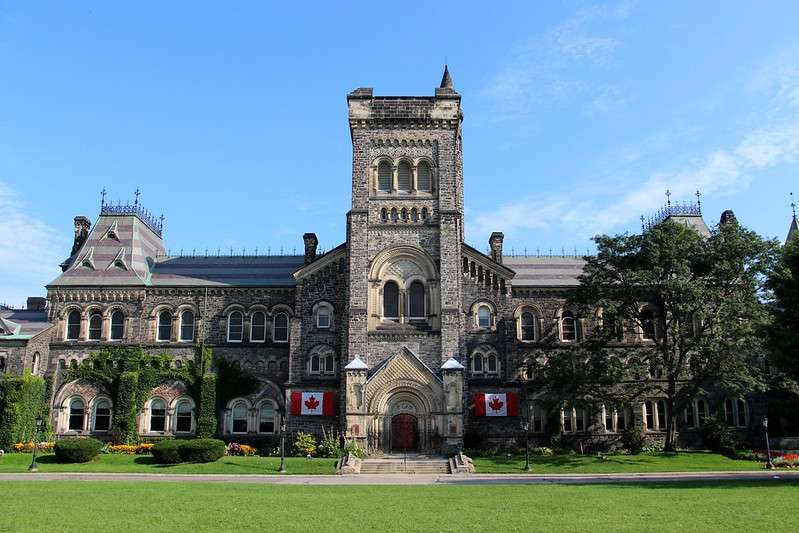
- University of Toronto
- McGill University
- Université de Montréal
- Université de Sherbrooke
- Laval University
- McMaster University
- Memorial University of Newfoundland
Admission into these schools is highly competitive, with acceptance rates as low as 7.5%.
Benefits of Studying Medicine in Canada
Studying medicine in Canada offers more than just a degree—it provides a pathway to a global career.
1. Globally Recognized Qualification
Canadian MD degrees are respected worldwide, opening doors to international medical careers.
2. Access to Scholarships
Many universities and organizations offer funding opportunities for international students.
3. Work Opportunities
Students can work up to 20 hours per week, helping offset living expenses.
4. Post-Graduation Opportunities
Graduates can pursue residency in Canada and potentially become licensed practitioners.
5. High Quality of Life
Canada offers safety, healthcare, and a welcoming multicultural society.
Entry Requirements for MBBS (MD) in Canada
Gaining admission into a Canadian medical school requires meeting strict academic and professional criteria.
1. Undergraduate Degree
Applicants must have a bachelor’s degree in a science-related field such as:
- Biology
- Biochemistry
- Physiology
- Microbiology
A minimum second-class upper (or equivalent GPA) is usually required.
2. MCAT (Medical College Admission Test)
Most universities require the MCAT as part of the admission process.
- Tests knowledge in science, reasoning, and problem-solving
- Score requirements vary by school
- Not required by McGill University
3. Language Proficiency
English Programs:
- IELTS: Minimum 6.5–7.5
- TOEFL: Minimum 80–100
French Programs:
- Mandatory French proficiency (sometimes a 1-year preparatory course)
4. Additional Requirements
- Letters of recommendation
- Personal statement
- Interview (MMI format in many schools)
- Extracurricular activities and clinical experience
Cost of Studying Medicine in Canada
Medical education in Canada is relatively more affordable than in countries like the United States, but it still requires careful financial planning.
Tuition Fees
- CAD 17,000 – CAD 29,000 per year
- Total MD cost: ~CAD 100,000
Living Expenses
- Accommodation: CAD 8,000 – 15,000/year
- Food & utilities: CAD 5,000 – 8,000/year
- Miscellaneous: CAD 2,000 – 5,000/year
Total Estimated Cost
- CAD 25,000 – CAD 50,000 per year
Quebec-based universities such as Laval University often have lower tuition fees.
Can You Study Medicine in Canada for Free?
Completely free medical education is rare in Canada, especially for international students. However, fully funded scholarships can significantly reduce or even eliminate costs.
Top Scholarships for Medical Students in Canada (2026)
Here are some of the best scholarship opportunities:
1. Mastercard Foundation Scholars Program
Available at:
- McGill University
- University of Toronto
Benefits:
- Full tuition
- Accommodation
- Living expenses
- Travel costs
This program primarily supports students from Sub-Saharan Africa.
2. Canadian Government Scholarships
Funded by the Government of Canada
Coverage:
- Tuition fees
- Living allowance
- Health insurance
- Travel costs
Some awards are worth up to CAD 50,000 annually.
3. Vanier Canada Graduate Scholarships
Although mainly for doctoral studies, this scholarship can support medical research pathways.
Value:
- CAD 50,000 per year for 3 years
4. University-Based Scholarships
Top institutions like:
- University of Toronto
- McMaster University
offer internal funding based on merit and need.
5. Chevening-Style Opportunities in Canada
While traditionally linked to the UK, similar fully funded opportunities exist in Canada through partnerships and government initiatives.
Student Visa Requirements for Canada
To study medicine in Canada, you must obtain a Canadian Study Permit.
Required Documents:
- Valid passport
- Letter of acceptance
- Proof of funds
- Passport photographs
- Medical examination (IME)
- Language test results
- Statement of Purpose
Approval depends on demonstrating your ability to support yourself financially and comply with immigration laws.
Career Path After Studying Medicine in Canada
After completing your MD, the journey continues:
Step 1: Residency Training
You must complete a residency program (3–7 years, depending on specialization).
Step 2: Licensing Exams
Pass exams from the Medical Council of Canada.
Step 3: Practice
Become a licensed physician in Canada or abroad.
Challenges International Students Should Expect
Studying medicine in Canada is rewarding—but not easy.
1. Limited Slots for International Students
Only a few schools accept international applicants.
2. High Competition
Top academic performance is required.
3. Cost
Even with scholarships, living expenses remain significant.
4. Residency Placement Difficulty
International graduates may face additional hurdles in securing residency.
Expert Tips to Get Accepted
Want to stand out? Focus on these:
Academic Excellence
Aim for a high GPA and a strong MCAT score.
Clinical Experience
Volunteer or work in healthcare settings.
Strong Personal Statement
Tell a compelling story about your passion for medicine.
Early Preparation
Start planning at least 1–2 years in advance.
Final Thoughts
Studying medicine in Canada is one of the most rewarding academic paths you can take—but it requires careful planning, financial preparation, and academic excellence.
While there is no traditional MBBS degree, the MD program in Canada offers world-class training, global recognition, and access to life-changing opportunities. With the right strategy, scholarships, and determination, international students can successfully navigate the journey.
Canada doesn’t just train doctors—it shapes global healthcare leaders.
Ready to Start Your Journey?
Begin by researching programs at institutions like the University of Toronto or McGill University, prepare your documents early, and apply for scholarships aggressively.
Your dream of becoming a doctor in Canada is achievable—with the right plan and persistence.